What is Dialectical Behaviour Therapy (DBT)?
Why is Dialectical Behaviour Therapy (DBT) Important?
Many people struggle with overwhelming emotions, impulsive behaviors, and relationship difficulties. Therefore, learning healthy coping strategies is essential for emotional well-being.
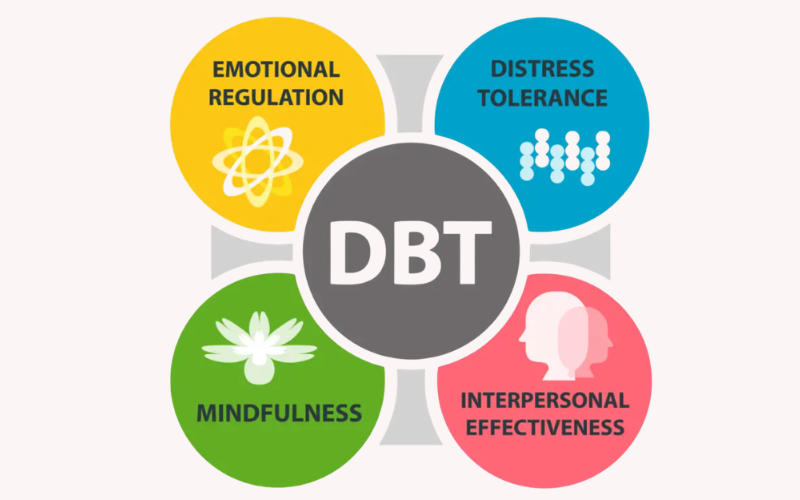
DBT teaches practical skills that help individuals regulate emotions, tolerate distress, and communicate more effectively. In addition, it encourages mindfulness and self-awareness. Consequently, people develop greater resilience and confidence in managing life’s challenges.
Who Can Benefit from DBT?
Dialectical Behaviour Therapy can benefit adolescents and adults experiencing:
- Emotional dysregulation
- Anxiety disorders
- Depression
- Borderline Personality Disorder (BPD)
- Mood swings
- Self-harming behaviors
- Suicidal thoughts
- Anger management problems
- Relationship conflicts
- Stress-related disorders
- Trauma-related emotional difficulties
- Impulsive behaviors
Furthermore, DBT can help individuals who want to improve emotional control and interpersonal effectiveness.
Benefits of Dialectical Behaviour Therapy (DBT)
- Improves Emotional Regulation
DBT helps individuals understand and manage intense emotions. As a result, emotional reactions become more balanced. - Enhances Stress Management
The therapy teaches distress tolerance skills that help people cope with difficult situations without feeling overwhelmed. - Strengthens Relationships
DBT improves communication and interpersonal effectiveness. Consequently, individuals build healthier and more meaningful relationships. - Reduces Impulsive Behaviors
By developing mindfulness and self-control, individuals learn to make thoughtful decisions rather than reacting impulsively. - Builds Self-Awareness
Mindfulness techniques help people become more aware of their thoughts and feelings. Therefore, they can respond more effectively to life’s challenges. - Develops Healthy Coping Skills
DBT provides practical strategies for handling emotional pain, conflict, and stressful situations in a constructive way. - Increases Self-Confidence
As individuals gain better control over their emotions and behaviors, they develop greater self-esteem and confidence. - Supports Better Decision-Making
Improved emotional balance and mindfulness help individuals make rational and well-considered choices. - Promotes Long-Term Mental Wellness
The practical skills learned during DBT continue to support emotional stability, resilience, and personal growth even after therapy ends.
The DBT Process
1. Initial Assessment
The therapist evaluates emotional concerns, behavioral patterns, and treatment goals to create a personalized therapy plan.
2. Learning Mindfulness Skills
Individuals learn to stay present and observe their thoughts and emotions without judgment.
3. Developing Distress Tolerance
Therapy teaches techniques to manage difficult emotions and stressful situations in a healthy way.
4. Improving Emotional Regulation
Individuals learn strategies to recognize, understand, and control intense emotional responses.
5. Building Interpersonal Effectiveness
DBT helps improve communication, assertiveness, and conflict-resolution skills for healthier relationships.
6. Monitoring Progress
Throughout the therapy process, progress is regularly reviewed, and coping strategies are refined. As a result, individuals continue moving toward emotional well-being.