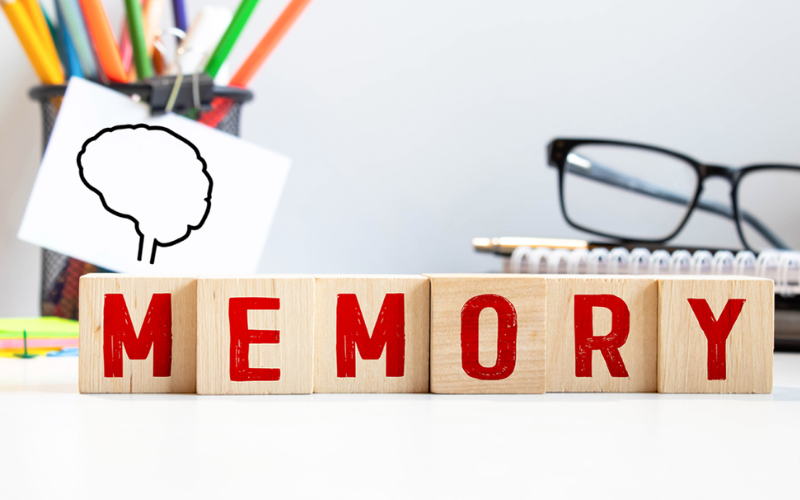
What is Memory Training?
Why is Memory Training Important?
Memory plays a vital role in learning, communication, decision-making, and everyday functioning. However, memory problems can occur due to aging, neurological disorders, brain injuries, or psychological conditions. Therefore, early intervention is essential.
Memory Training helps improve recall abilities and supports overall cognitive functioning. In addition, it teaches practical strategies that reduce forgetfulness and improve organization. Consequently, individuals can perform daily tasks more efficiently and maintain a better quality of life.
Who Can Benefit from Memory Training?
Memory Training may be beneficial for individuals with:
- Mild Cognitive Impairment (MCI)
- Dementia in the early stages
- Traumatic Brain Injury (TBI)
- Stroke and neurological disorders
- Epilepsy
- Memory disorders
- Attention and concentration difficulties
- Age-related memory decline
- Learning disabilities
- Cognitive changes following medical illness
Furthermore, students, working professionals, and older adults who wish to improve memory and learning abilities may also benefit from this program.
Benefits of Memory Training
- Improves Memory and Recall
Structured exercises help strengthen the brain’s ability to store and retrieve information. As a result, individuals remember important details more effectively. - Enhances Learning Abilities
Better memory improves the capacity to absorb, organize, and retain new information. - Increases Attention and Concentration
Memory activities often strengthen focus and attention, which are essential for effective learning. - Develops Practical Memory Strategies
Individuals learn techniques such as association, visualization, chunking, repetition, and the use of external memory aids. - Promotes Independence
Improved memory skills help individuals manage daily tasks, appointments, medications, and responsibilities with greater confidence. - Supports Long-Term Cognitive Health
Regular memory exercises help maintain cognitive functioning and may slow age-related cognitive decline.
The Memory Training Process
1. Initial Assessment
The specialist evaluates memory abilities, cognitive strengths, and areas requiring improvement.
2. Goal Setting
Personalized goals are established according to the individual’s educational, occupational, or rehabilitation needs.
3. Memory Enhancement Exercises
The program includes activities that target:
- Short-term memory
- Long-term memory
- Working memory
- Visual memory
- Verbal memory
- Recall and recognition skills
4. Strategy Development
Individuals learn practical techniques such as:
- Using calendars and planners
- Setting reminders and alarms
- Creating structured daily routines
- Using visualization and association methods
- Breaking information into smaller chunks
5. Progress Monitoring
The specialist regularly reviews progress and modifies exercises to match the individual’s improvement.
6. Long-Term Maintenance
Participants learn how to apply memory strategies in everyday situations, helping them maintain cognitive gains over time.