Dr. Krantee Kuthe

Neuropsychological Assessment In Epilepsy In Nagpur

Neuropsychological Assessment in Epilepsy in Nagpur

Epilepsy can affect more than seizure control. Moreover, some individuals experience difficulties with memory, concentration, learning, language, or problem-solving that interfere with everyday life. These challenges may relate to the underlying neurological condition, seizure patterns, medication effects, sleep difficulties, or emotional well-being. Therefore, neuropsychological assessment in epilepsy in Nagpur can help individuals understand their cognitive strengths and identify areas that need additional support. A structured evaluation examines how a person processes information, remembers experiences, and manages daily tasks. In addition, the findings can help the treating medical team plan appropriate care, discuss rehabilitation options, and evaluate cognitive functioning when considering epilepsy surgery.

What Is Neuropsychological Assessment in Epilepsy? | Neuropsychological Assessment In Epilepsy In Nagpur

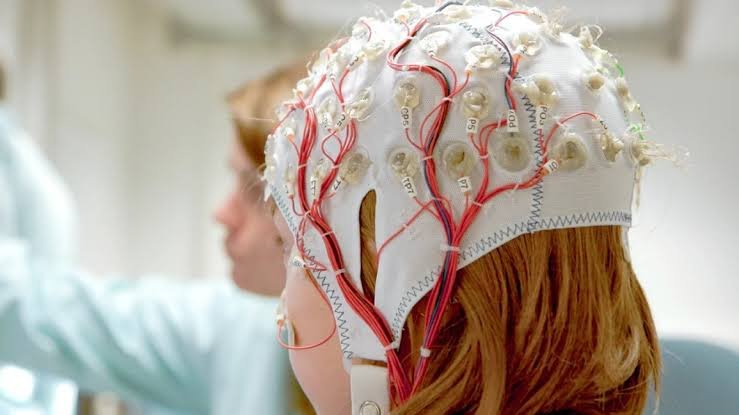
Neuropsychological assessment is a detailed evaluation of cognitive abilities, emotional functioning, and behavior. Moreover, specialists use standardized tests, clinical interviews, and relevant medical information to understand how neurological conditions affect everyday thinking skills. For people living with epilepsy, this assessment may examine memory, attention, processing speed, language, and executive functioning. However, the results do not diagnose epilepsy on their own or replace neurological investigations. Instead, they provide additional information that helps clinicians understand cognitive difficulties alongside seizure history, medical examinations, EEG findings, and brain imaging when available. Consequently, the assessment can support more informed treatment discussions and individualized care planning.

Why Is Neuropsychological Testing Important for People With Epilepsy?

Living with epilepsy can involve challenges that extend beyond the seizures themselves. Moreover, difficulties with concentration, remembering instructions, or organizing daily responsibilities may affect education, employment, relationships, and confidence. A neuropsychological evaluation helps identify these challenges and provides a clearer picture of the person’s abilities.

The assessment may help with:
  • Identifying specific memory and attention difficulties.
  • Understanding changes in learning and information processing.
  • Exploring possible cognitive effects associated with epilepsy or its treatment.
  • Establishing a baseline for future comparison when clinically appropriate.
  • Supporting educational and workplace recommendations.
  • Guiding cognitive rehabilitation and practical coping strategies.
  • Contributing to a comprehensive evaluation before epilepsy surgery.
Therefore, neuropsychological testing can provide valuable information for patients, families, and treating clinicians. However, the specialist must interpret the findings alongside the person’s medical history and other clinical results.

Who Should Consider Neuropsychological Assessment for Epilepsy?

Not everyone with epilepsy needs an extensive neuropsychological evaluation. However, a neurologist may recommend one when cognitive concerns affect daily functioning or when detailed information could guide treatment decisions.

Consider discussing an assessment if you experience:
  • Frequent forgetfulness or difficulty recalling information.
  • Problems concentrating during conversations or tasks.
  • Difficulty learning new skills or retaining instructions.
  • Slower thinking or challenges with problem-solving.
  • Changes in language or word-finding ability.
  • Academic or workplace difficulties.
  • Concerns about cognitive changes after starting or adjusting medication.
  • Persistent cognitive concerns despite improved seizure control.
  • A need for detailed cognitive evaluation before epilepsy surgery.
Moreover, children and teenagers with epilepsy may need assessment when learning, attention, behavior, or developmental progress raises concerns. Therefore, a qualified professional can determine the most suitable assessment approach for each age group.
How Does Epilepsy Affect Memory and Thinking?
Epilepsy affects individuals differently, so cognitive difficulties do not occur in every patient. Moreover, the location and cause of seizures, seizure frequency, sleep quality, and other health factors can influence cognitive functioning.

Possible contributing factors include:
  • Seizure activity: Some seizure types and underlying brain conditions can affect particular cognitive abilities.
  • Medication effects: Certain antiseizure medicines may contribute to tiredness, slower thinking, or concentration difficulties in some people.
  • Sleep disruption: Night-time seizures or poor sleep can affect attention and memory.
  • Emotional stress: Anxiety and depression may make concentration and learning more difficult.
  • Underlying neurological conditions: The brain changes associated with epilepsy may influence specific cognitive skills.
However, memory problems do not automatically mean that epilepsy has caused permanent damage. Therefore, discuss new or worsening symptoms with your neurologist before changing medication or treatment.
Neuropsychological Assessment Before Epilepsy Surgery
Doctors may recommend neuropsychological assessment as part of a comprehensive presurgical evaluation for selected people with drug-resistant epilepsy. Moreover, the results can help the epilepsy team understand existing cognitive strengths and weaknesses before considering an operation. The assessment may examine memory, language, attention, and other skills relevant to the proposed treatment. In addition, clinicians may compare these findings with EEG results, brain imaging, seizure history, and other investigations. This combined information helps the team discuss potential cognitive risks and expected benefits with the patient. However, neuropsychological testing cannot independently determine whether surgery is suitable or guarantee a particular outcome. Therefore, the epilepsy team considers all relevant findings before making recommendations.

How to Prepare for Your Assessment

A little preparation can make the appointment more useful. Moreover, providing accurate information helps the specialist understand your concerns and interpret your results in the right context.

Before your appointment:
  • Bring previous EEG, MRI, and other relevant medical reports.
  • Carry a list of your current medicines and doses.
  • Write down your main memory or concentration concerns.
  • Note any recent changes in seizure patterns or daily functioning.
  • Bring your glasses or hearing aids if you use them.
  • Share relevant educational or developmental history when appropriate.
  • Ask your clinician whether you should follow any specific preparation instructions.
  • Arrange enough time for the appointment and possible breaks.
In addition, try to get your usual amount of sleep before testing and take your medicines as prescribed unless your treating clinician gives you different instructions. Never stop antiseizure medication independently to prepare for an assessment.

Benefits of Neuropsychological Assessment for Epilepsy Management

A detailed evaluation can help patients and clinicians better understand cognitive needs. Moreover, the results may support practical recommendations that fit the person’s daily responsibilities and treatment goals.

Potential benefits include:
  • Clearer understanding: Identify areas of cognitive strength and difficulty.
  • Individualized guidance: Develop strategies that address specific memory or attention concerns.
  • Treatment discussions: Help the medical team consider cognitive concerns alongside seizure control.
  • Educational support: Identify possible adjustments for students who experience learning difficulties.
  • Workplace planning: Suggest practical approaches to manage tasks and information.
  • Surgical planning: Contribute to the broader evaluation for selected epilepsy surgery candidates.
  • Progress monitoring: Compare results over time when repeat assessment is clinically appropriate.

Cognitive Rehabilitation and Support After Assessment

When testing identifies specific cognitive difficulties, the specialist may recommend strategies or rehabilitation to help manage daily challenges. Moreover, these approaches can focus on practical skills rather than expecting the person to remember everything without assistance.

Support options may include:
  • Using calendars, alarms, and written reminders.
  • Breaking complicated tasks into smaller steps.
  • Following consistent routines.
  • Practising memory and organizational strategies.
  • Taking planned breaks during demanding activities.
  • Improving sleep habits with appropriate clinical guidance.
  • Seeking psychological support for anxiety or low mood.
  • Discussing educational or workplace accommodations when needed.
In addition, some individuals may benefit from structured cognitive rehabilitation with a suitably trained professional. The plan should reflect the person’s assessment results, daily goals, and overall epilepsy management.

Choosing a Neuropsychological Assessment Service in Nagpur

Choosing an appropriately qualified professional helps ensure that the assessment addresses your concerns. Moreover, epilepsy-related testing requires careful interpretation of cognitive findings alongside medical and neurological information.

Before booking, consider the following:
  • Professional qualifications: Ask about training and experience in clinical neuropsychology.
  • Epilepsy-related experience: Check whether the professional evaluates cognitive concerns associated with epilepsy.
  • Appropriate testing: Confirm that the specialist selects suitable tests for your age, language, and clinical needs.
  • Clear reporting: Ask how the results and recommendations will be explained.
  • Medical coordination: Check whether the assessment can support communication with your neurologist.
  • Follow-up options: Ask about rehabilitation guidance or repeat testing when clinically necessary.
Therefore, select a service that prioritizes careful assessment, understandable explanations, and individualized recommendations.

Neuropsychological Assessment in Epilepsy in Nagpur: Book an Appointment

If epilepsy affects your memory, concentration, learning, or everyday functioning, consider discussing a neuropsychological assessment with your treating neurologist. Moreover, a structured evaluation can help clarify your cognitive strengths and identify areas where additional support may improve daily life.

Bring your medical records, current medication details, and a list of your concerns to the appointment. In addition, ask the specialist about the testing process, estimated duration, fees, and follow-up recommendations.

Take the next step toward understanding your cognitive health. Contact a qualified neuropsychology service in Nagpur to discuss your needs and arrange an assessment.

Book An Appointment

Are you or your loved one experiencing memory problems, difficulty concentrating, or learning challenges related to epilepsy? Moreover, a neuropsychological assessment can help evaluate cognitive abilities and identify areas that may need additional support. Therefore, consult a qualified neuropsychology professional in Nagpur to understand your concerns and explore suitable assessment options.

Book your appointment today to discuss your symptoms, review your medical history, and plan the next steps for cognitive care.

Contact us today to schedule a consultation and take the first step toward your child’s learning and development.

Book Your Our Consultation Today! Take the first step towards better health with expert medical guidance.

Frequently Asked Questions About Neuropsychological Assessment In Epilepsy In Nagpur

What is neuropsychological assessment in epilepsy?
It is a structured evaluation of memory, attention, language, reasoning, and other cognitive skills in people living with epilepsy.
A clinician may recommend testing for memory problems, concentration difficulties, learning concerns, medication-related cognitive complaints, or presurgical evaluation.
No. It evaluates cognitive functioning and supports epilepsy management, but neurological assessment and appropriate investigations help establish the epilepsy diagnosis.
The duration depends on the tests required and the person’s clinical needs. Some evaluations take a few hours, while more extensive testing may require additional time.
Call Now Button