Relaxation Therapy
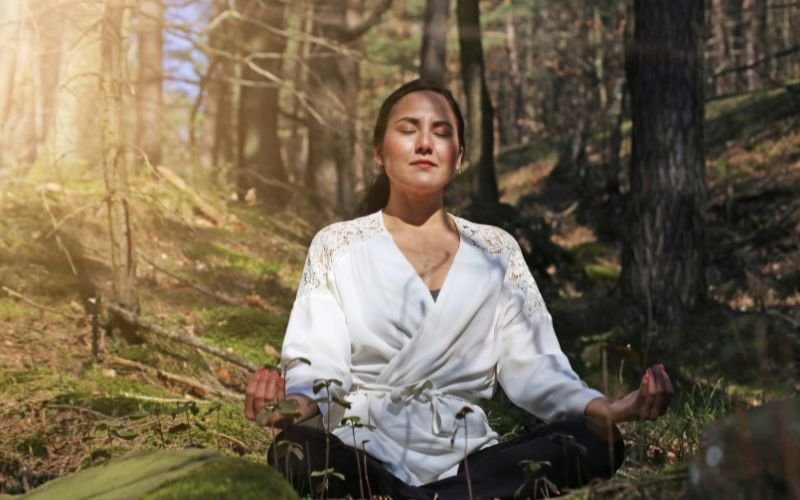
Relaxation techniques are therapeutic exercises designed to help individuals reduce tension and anxiety. Stress not only has a psychological impact but can also lead to physical symptoms, such as increased heart rate, palpitations, excessive sweating, shortness of breath, and muscle tension. There are various relaxation strategies available, which can be taught by health professionals or learned through self-help methods.
These techniques can help people manage everyday stress and stress related to specific health conditions, such as heart disease and pain. Relaxation therapy includes a range of methods aimed at teaching individuals to relax voluntarily. This can involve breathing exercises and progressive muscle relaxation, which are intended to alleviate both physical and mental tension.
Techniques
- Deep Breathing and Box Breathing:
- These exercises help refocus attention on breathing, aiding stress management.
- Box breathing involves four steps:
- Breathe in through the nose for a count of 4.
- Hold the breath for a count of 4.
- Breathe out for a count of 4.
- Hold the breath again for a count of 4.
- Repeat the cycle. The timing can be adjusted based on individual needs.
- Guided Imagery:
- This technique involves visualizing a calming environment to manage stress.
- Steps for guided imagery:
- Sit or lie down comfortably in a quiet space.
- Imagine a relaxing scene using all five senses (e.g., sight, sound, smell, taste, touch).
- Sustain the visualization, taking slow, deep breaths, and focus on feelings of calmness.
- Progressive Muscle Relaxation:
- This method involves tensing and relaxing different muscle groups throughout the body.
- Steps for progressive muscle relaxation:
- Sit or lie down comfortably in a quiet space.
- Start at the feet and work up the body, tensing each muscle group for 5 seconds and then slowly releasing for 10 seconds.
- Focus on the release and the sensation of relaxation.
- Repeat for each muscle group, ensuring not to tense to the point of pain and maintaining slow, deep breaths.
Benefits
- Slowing the heart rate
- Lowering blood pressure
- Reducing breathing rate
- Enhancing digestion
- Maintaining normal blood sugar levels
- Decreasing stress hormone activity
- Increasing blood flow to major muscles
- Reducing muscle tension and chronic pain
- Improving concentration and mood
- Enhancing sleep quality
- Reducing fatigue
- Decreasing anger and frustration
- Boosting confidence to manage problems