Dr. Krantee Kuthe

ADHD Assessment In Nagpur

ADHD Assessment in Nagpur

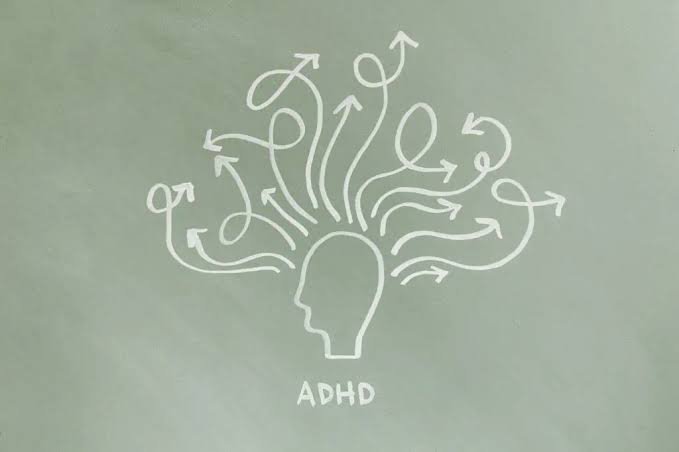
Difficulty staying focused, managing impulses, or completing everyday tasks can affect learning, relationships, work, and confidence. An ADHD Assessment in Nagpur can help individuals and families understand these concerns through a structured professional evaluation. Moreover, an appropriate assessment explores behavioural patterns, developmental history, and everyday challenges to determine whether symptoms may indicate attention-deficit/hyperactivity disorder (ADHD). Children who struggle to follow classroom instructions, teenagers who find organisation difficult, and adults who experience persistent attention problems may benefit from professional guidance. However, similar difficulties can occur for several reasons. Therefore, a qualified professional considers the person’s history, symptoms, and functioning across different settings before discussing possible diagnoses and suitable support.

What Is an ADHD Assessment?

An ADHD assessment is a professional evaluation that examines patterns of inattention, hyperactivity, and impulsivity. The process may include clinical interviews, developmental history, behaviour rating scales, questionnaires, and information from parents, teachers, partners, or other relevant people. Moreover, the professional considers how long the symptoms have continued, when they began, and how they affect everyday activities. For children, this may involve reviewing classroom behaviour and learning experiences. For adults, the discussion may explore work responsibilities, relationships, time management, and difficulties that began earlier in life. An online questionnaire or single test cannot confirm ADHD on its own. Therefore, a qualified clinician considers the complete assessment information and checks whether other conditions or circumstances could explain the symptoms.

Why Consider ADHD Assessment in Nagpur?

ADHD-related difficulties can affect more than concentration. For example, a child may frequently forget instructions, while an adult may struggle to organise responsibilities, manage time, or finish tasks. Moreover, these challenges can sometimes affect confidence and relationships when others misunderstand the reasons behind the behaviour. A professional ADHD evaluation helps explore these patterns and understand their impact. Consequently, individuals and families can discuss appropriate next steps, including behavioural strategies, educational support, workplace adjustments, or further clinical care. If attention or impulsivity concerns persist and interfere with everyday functioning, consider consulting a qualified mental health or medical professional. Early assessment can help clarify support needs without labelling someone based on a few isolated behaviours.

Signs of Inattention

People with attention difficulties may experience challenges such as:

  • Losing track of instructions or conversations.
  • Forgetting appointments, schoolwork, or daily responsibilities.
  • Making avoidable mistakes because they overlook details.
  • Finding it difficult to organise tasks and activities.
  • Becoming distracted during work, study, or routine activities.
  • Frequently misplacing items needed for everyday tasks.
However, these signs do not automatically indicate ADHD. A professional considers their frequency, duration, developmental history, and impact on daily life.
Conditions That Can Resemble ADHD
Several factors can produce difficulties with attention, memory, activity, or self-control. Therefore, a responsible assessment considers alternative or coexisting explanations before reaching a conclusion.

These may include:
  • Anxiety-related concentration difficulties.
  • Depression or persistent low mood.
  • Sleep problems or irregular sleep schedules.
  • Learning difficulties.
  • Stressful life events.
  • Certain medical conditions or medication effects.
  • Other developmental or behavioural concerns.
Moreover, ADHD can occur alongside other conditions. A comprehensive evaluation helps the clinician understand the full picture and recommend suitable follow-up when necessary.
How ADHD Assessment Can Support Children and Families
Understanding a child’s behaviour can help parents respond with greater confidence and consistency. Moreover, an assessment may explain why certain tasks require more effort and identify strategies that suit the child’s needs. Depending on the findings, support may include structured routines, clear instructions, positive reinforcement, classroom adjustments, parent guidance, or behavioural interventions. Some children may also benefit from additional evaluations for learning or developmental concerns. However, every child has different strengths and needs. Therefore, families should discuss recommendations with the assessing professional and relevant educators rather than applying the same strategy to every child.

ADHD Assessment and Support for Adults

Adults who experience attention or organisation difficulties may benefit from understanding how these patterns affect their daily routines. For example, reminders, written task lists, calendar planning, and breaking large projects into smaller steps may help manage particular challenges. Moreover, the assessment may help the individual discuss suitable workplace adjustments or clinical support. Depending on the person’s needs, a clinician may recommend psychological interventions, behavioural strategies, medication evaluation, or a combination of approaches. Treatment decisions require an individual clinical review. Therefore, adults should discuss the potential benefits, limitations, and risks of available options with an appropriately qualified healthcare professional.

How to Prepare for an ADHD Assessment

A little preparation can help you explain your concerns clearly and make the appointment more productive. Consider these steps before the evaluation:

  • Write down the main symptoms and when you first noticed them.
  • Bring relevant medical, developmental, or educational reports.
  • Note any current medication and relevant health concerns.
  • Prepare examples of difficulties at home, school, work, or in relationships.
  • Ask whether a parent, caregiver, teacher, or family member should provide information.
  • Discuss your language preferences and any accessibility requirements.
  • Prepare questions about the assessment, report, and possible next steps.
Moreover, answer questions honestly and share both strengths and difficulties. The aim is to understand the person’s needs accurately, not to achieve a particular test result.

ADHD Assessment Cost in Nagpur

The cost of ADHD assessment in Nagpur depends on the type and scope of the evaluation. Factors may include the clinician’s qualifications, appointment duration, number of consultations, questionnaires used, report preparation, and whether the assessment requires additional testing. Furthermore, evaluations for children and adults may involve different information sources and procedures. Follow-up appointments or assessments for coexisting concerns can also affect the overall fee. Before scheduling, ask the provider for a clear explanation of the charges and what the service includes. Therefore, you can compare options based on the assessment’s suitability, professional expertise, and follow-up support. Confirm current pricing directly with the provider.

How to Choose an ADHD Assessment Provider in Nagpur

Choosing a suitable professional can make the assessment process clearer and more comfortable. Therefore, consider the following points before booking:

  • Check the professional’s qualifications, registration where applicable, and experience with ADHD evaluations.
  • Ask whether they assess children, teenagers, adults, or your specific age group.
  • Confirm which assessment methods and information sources they use.
  • Ask how they consider other conditions that may cause similar symptoms.
  • Find out whether the provider explains the findings and offers a written report.
  • Discuss fees, confidentiality, appointment availability, and follow-up options.
  • Check whether they can recommend treatment or refer you to another professional when necessary.

Book An Appointment

If attention difficulties, impulsive behaviour, or restlessness consistently affect everyday life, consider discussing your concerns with a qualified professional. Moreover, a structured assessment can help clarify the possible reasons for these challenges and identify appropriate next steps.

When exploring ADHD Assessment in Nagpur, ask about the clinician’s qualifications, assessment process, fees, report format, and available follow-up support. Therefore, you can make an informed choice based on your needs or your child’s requirements.

Contact a suitable assessment provider to discuss your concerns and find out whether a professional ADHD evaluation may be appropriate.

Book Your Our Consultation Today! Take the first step towards better health with expert medical guidance.

Frequently Asked Questions

What is the purpose of an ADHD assessment?
It evaluates patterns of inattention, hyperactivity, and impulsivity to determine whether symptoms may meet the criteria for ADHD.
Yes. A qualified professional can evaluate children’s developmental history, behaviour, and functioning across relevant settings.
Yes. Adults can receive an assessment, which typically explores current difficulties and evidence of symptoms during childhood.
No. Questionnaires support the evaluation, but a qualified clinician must consider the broader history and clinical findings.
Call Now Button