What Is Cognitive Behavioural Therapy (CBT)?
Who Can Benefit from CBT Therapy?
CBT may help individuals who experience emotional distress, persistent worry, or difficulties managing everyday challenges. Moreover, a mental health professional can assess your concerns and determine whether CBT suits your needs.
Anxiety and excessive worry: Learn practical strategies to manage anxious thoughts and everyday fears.
Depression and low mood: Recognize unhelpful thinking patterns and gradually rebuild healthy routines.
Stress management: Develop effective ways to handle work pressure, personal responsibilities, and life changes.
Panic attacks: Understand anxiety triggers and learn techniques to respond to panic-related symptoms.
Negative thinking patterns: Challenge unhelpful assumptions and develop more balanced perspectives.
Low self-esteem: Explore self-critical thoughts and practise healthier self-talk.
Phobias and avoidance: Work gradually towards facing feared situations with appropriate therapeutic guidance.
Sleep-related difficulties: Address thought patterns and habits that may interfere with healthy sleep.
However, every person’s experience differs, so a therapist should recommend treatment according to your symptoms, history, and individual goals.
Benefits
Choosing professional CBT therapy in Nagpur can help you develop practical skills for managing emotional and behavioural challenges. Furthermore, CBT provides a structured approach that encourages active participation throughout the therapeutic process.
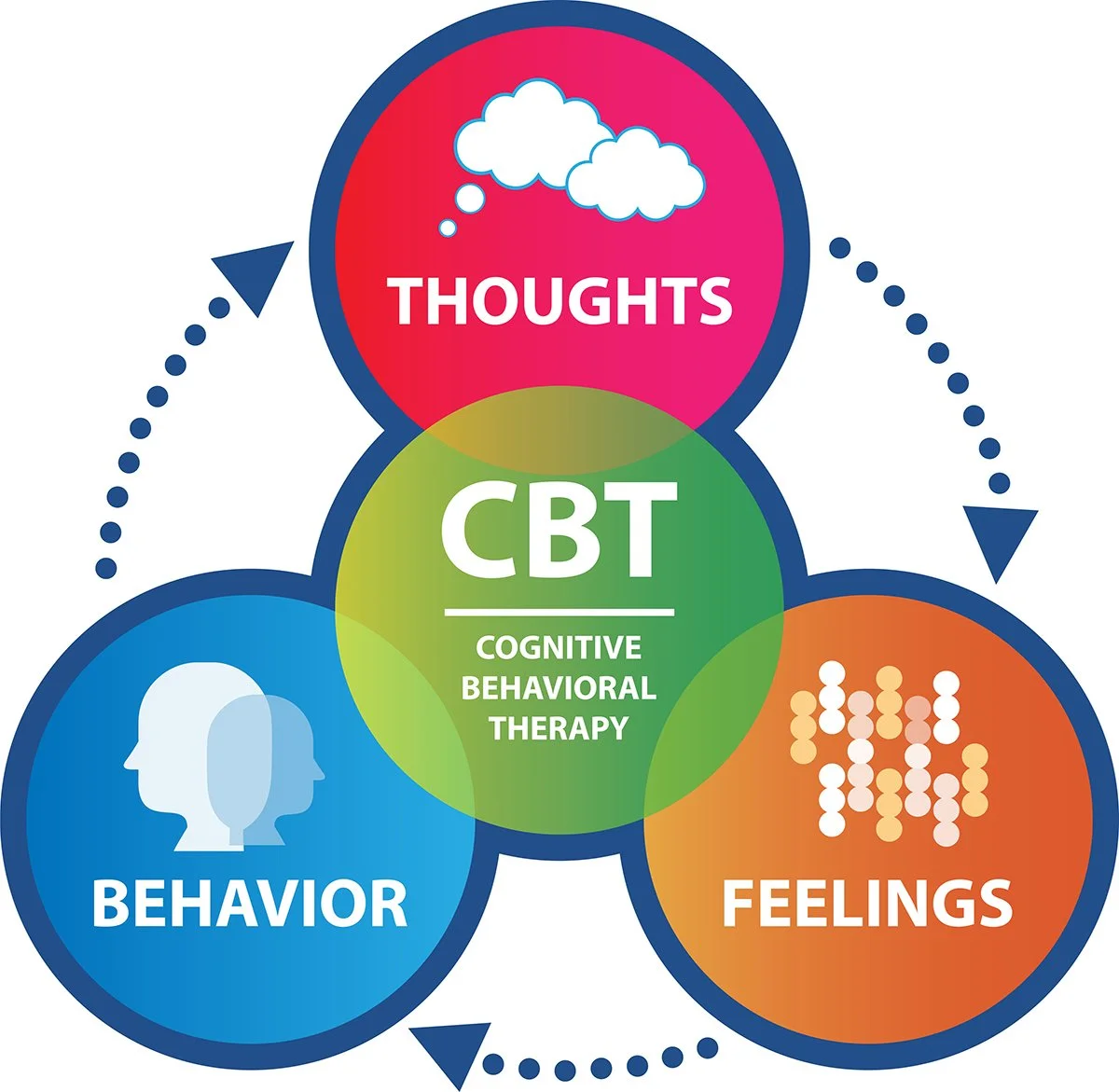
Better emotional awareness: Understand how thoughts influence feelings and behaviour.
Healthier thinking patterns: Learn to recognize and challenge unhelpful thoughts.
Improved stress management: Practise techniques that help you respond to difficult situations.
Stronger coping skills: Build practical strategies for handling everyday challenges.
Greater confidence: Develop a more balanced understanding of yourself and your abilities.
Long-term self-management skills: Practise techniques that you can continue using outside therapy sessions.
As a result, CBT can help many people improve daily functioning and emotional well-being. However, progress varies, and some individuals may benefit from additional treatments or professional support.
How Does CBT Therapy Work?
Our CBT therapy process focuses on understanding your concerns, setting meaningful goals, and practising practical coping strategies.
1. Initial Consultation
First, the therapist discusses your current concerns, symptoms, personal history, and treatment expectations. This conversation helps establish a clearer understanding of your needs.
2. Identifying Thought Patterns
Next, you explore situations that trigger emotional distress and examine the thoughts and behaviours associated with them. Moreover, the therapist helps you recognize patterns that may contribute to ongoing difficulties.
3. Setting Therapy Goals
Together, you and your therapist identify realistic goals based on your concerns. Therefore, each session can focus on practical steps that support your progress.
4. Learning Coping Strategies
During therapy, you practise techniques such as cognitive restructuring, problem-solving, relaxation strategies, and gradual exposure when appropriate. In addition, your therapist may suggest exercises to help you apply these skills in everyday situations.
5. Reviewing Progress
Finally, you and your therapist review your progress, discuss challenges, and adjust your approach when necessary. Regular practice between sessions can help you strengthen the skills you learn.
CBT Therapy for Anxiety and Depression
CBT for Anxiety
CBT for Depression
Why Consider Professional CBT Therapy in Nagpur?
Book Your CBT Therapy Consultation in Nagpur
Book Your Our Consultation Today! Take the first step towards better health with expert medical guidance.