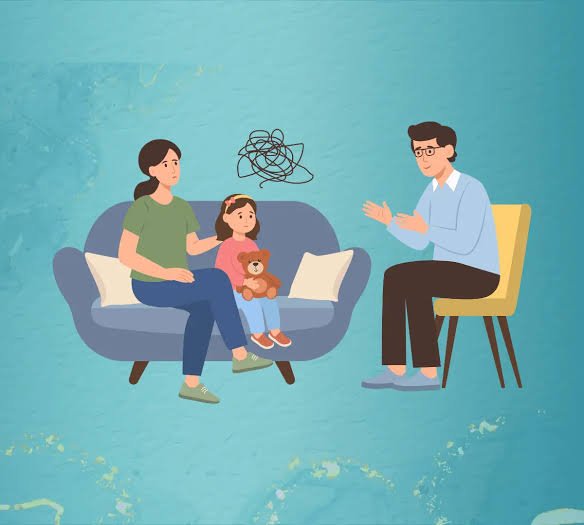
What Is Child Counselling?
When Does Your Child Need Counselling?
Every child develops at a different pace. However, persistent emotional or behavioural changes may indicate that your child needs additional support.
Consider child counselling in Nagpur if your child experiences:
Anxiety and excessive worry: Your child frequently worries about school, separation, social situations, or everyday activities.
Behavioural difficulties: Your child often shows anger, aggression, frequent tantrums, or difficulty following routines.
Academic stress: Your child struggles with exam pressure, school adjustment, or confidence in learning.
Social challenges: Your child finds it difficult to make friends, communicate feelings, or manage peer relationships.
Emotional changes: Your child experiences persistent sadness, irritability, fear, or withdrawal from favourite activities.
Family-related stress: Your child struggles to adjust to separation, family conflict, relocation, or other major changes.
Low self-esteem: Your child frequently doubts their abilities or avoids new experiences because of fear of failure.
Therefore, seek professional guidance when these concerns persist, affect daily functioning, or cause significant distress.
Common Issues Addressed Through Child Counselling
1. Anxiety and Stress Management
Children may experience anxiety because of school expectations, social situations, or changes at home. Moreover, counselling can help them identify worries, practise relaxation techniques, and develop healthier coping strategies.
2. Behavioural Concerns
Frequent tantrums, anger, impulsive behaviour, or difficulty following rules can affect family and school life. Therefore, counselling may help children develop emotional regulation skills while guiding parents towards consistent, supportive responses.
3. Academic and School Difficulties
School-related stress can affect motivation, concentration, and confidence. In addition, counselling can help children manage performance pressure, adjust to school routines, and develop practical problem-solving skills.
4. Emotional and Social Development
Some children need support with friendship problems, communication, self-confidence, or expressing emotions. Moreover, age-appropriate counselling can encourage healthy social interactions and improve emotional awareness.
5. Adjustment to Family Changes
Changes such as parental separation, the loss of a loved one, or moving to a new home can feel overwhelming. Therefore, counselling can give children a safe space to process their feelings and adapt to new circumstances.
Benefits
Professional counselling can support a child’s emotional growth and help parents understand how to respond to their needs. Furthermore, an individualized approach focuses on the child’s strengths while addressing specific challenges.
Key benefits may include:
Improved emotional awareness and communication
Better coping skills for stress and anxiety
Greater self-confidence and self-esteem
Healthier behaviour and emotional regulation
Improved social and interpersonal skills
Better adjustment to school and family changes
Practical guidance for parents and caregivers
However, progress depends on the child’s needs, the nature of the concerns, and their response to treatment. Therefore, regular sessions and family involvement may support progress when appropriate.
Our Process
A structured counselling process helps children and parents understand the concerns and identify appropriate next steps.
1. Initial Consultation
First, the counsellor speaks with the parents or caregivers to understand the child’s concerns, developmental history, and family or school circumstances.
2. Child Assessment
Next, the professional interacts with the child through age-appropriate conversations, activities, observations, or other suitable assessment methods.
3. Individualized Counselling Plan
Based on the child’s needs, the counsellor recommends suitable strategies, which may include play-based approaches, emotional regulation activities, or evidence-based psychological therapy.
4. Parent Guidance
In addition, the counsellor may help parents understand their child’s behaviour, establish healthy routines, communicate effectively, and provide emotional support at home.
5. Progress Review
Finally, regular reviews help the counsellor and family assess changes, address ongoing concerns, and adjust the plan when necessary.
Why Choose Professional Child Counselling in Nagpur?
Book Child Counselling in Nagpur
Book Your Our Consultation Today! Take the first step towards better health with expert medical guidance.