Cognitive Behaviour Therapy (CBT)
Why is Cognitive Behaviour Therapy (CBT) Important?
Mental health challenges can affect every aspect of life, including relationships, work, education, and physical health. Therefore, addressing these concerns early is essential.
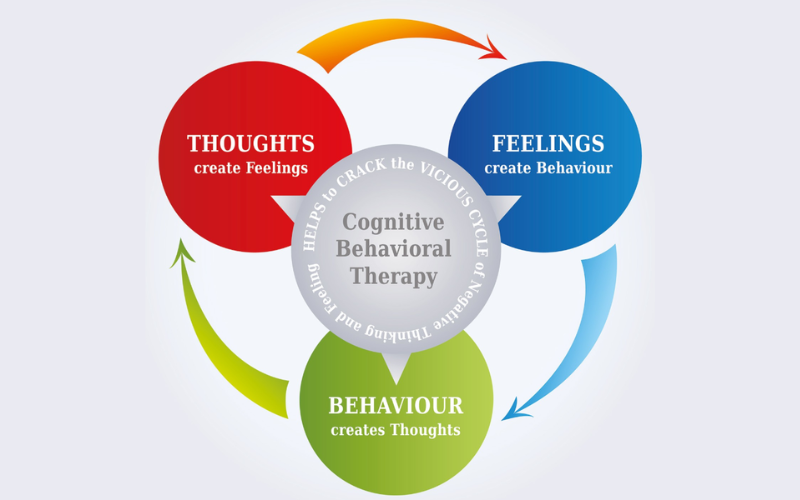
CBT helps individuals understand how their thoughts influence their emotions and behaviors. In addition, it teaches practical coping skills that can be applied in everyday situations. Consequently, people become more resilient and better equipped to handle stress and life’s challenges.
CBT is widely used because it is evidence-based and has shown excellent results in treating a variety of psychological conditions.
Who Can Benefit from CBT?
Cognitive Behaviour Therapy can benefit children, adolescents, adults, and older adults. It is especially helpful for individuals experiencing:
- Anxiety disorders
- Depression
- Panic attacks
- Obsessive-Compulsive Disorder (OCD)
- Stress-related problems
- Phobias and fears
- Social anxiety
- Anger management difficulties
- Low self-esteem
- Sleep disturbances
- Relationship issues
- Work-related stress
- Chronic illness adjustment
- Emotional and behavioral difficulties
Furthermore, CBT can support individuals who want to improve emotional regulation, problem-solving skills, and overall mental wellness.
Benefits of Cognitive Behaviour Therapy (CBT)
- Reduces Anxiety and Stress
CBT helps individuals recognize negative thinking patterns and replace them with healthier perspectives. As a result, anxiety and stress levels gradually decrease. - Improves Mood
By changing unhelpful beliefs and thought patterns, CBT helps reduce symptoms of depression and promotes emotional balance. - Develops Healthy Coping Skills
Individuals learn practical techniques to manage difficult situations more effectively. Consequently, they become better prepared to handle future challenges. - Enhances Problem-Solving Abilities
CBT encourages logical thinking and structured decision-making. Therefore, everyday problems become easier to manage. - Improves Self-Confidence
As individuals achieve their therapy goals, they develop greater confidence and a stronger sense of self-worth. - Promotes Positive Behavioral Change
CBT helps replace unhealthy habits and behaviors with constructive actions that support overall well-being. - Strengthens Emotional Regulation
The therapy teaches individuals to better understand and manage their emotions, leading to healthier responses in challenging situations. - Improves Relationships
Better communication skills and emotional awareness help build stronger personal and professional relationships. - Supports Long-Term Mental Health
The skills learned during CBT continue to benefit individuals even after therapy ends, helping prevent relapse and maintain emotional stability.
The CBT Process
1. Initial Assessment
The therapist begins by understanding your concerns, symptoms, personal history, and therapy goals. This helps create an individualized treatment plan.
2. Identifying Negative Thought Patterns
During therapy sessions, individuals learn to recognize thoughts and beliefs that contribute to emotional distress.
3. Challenging Unhelpful Beliefs
The therapist guides the individual in evaluating whether these thoughts are realistic and helpful. Gradually, negative patterns are replaced with balanced thinking.
4. Learning Practical Coping Strategies
CBT includes techniques such as relaxation exercises, behavioral activation, problem-solving, and stress management skills.
5. Practicing New Behaviors
Individuals apply the skills learned during therapy to real-life situations. Moreover, regular practice helps reinforce positive change.
6. Monitoring Progress
Throughout the treatment process, the therapist reviews progress and adjusts strategies when necessary. As a result, therapy remains effective and goal-focused.