Cognitive Behaviour Therapy (CBT)
What is Cognitive Behaviour Therapy?
Cognitive Behaviour Therapy is a structured, goal-oriented form of psychotherapy that helps individuals identify and modify negative or unhelpful thoughts, beliefs, and behaviors.
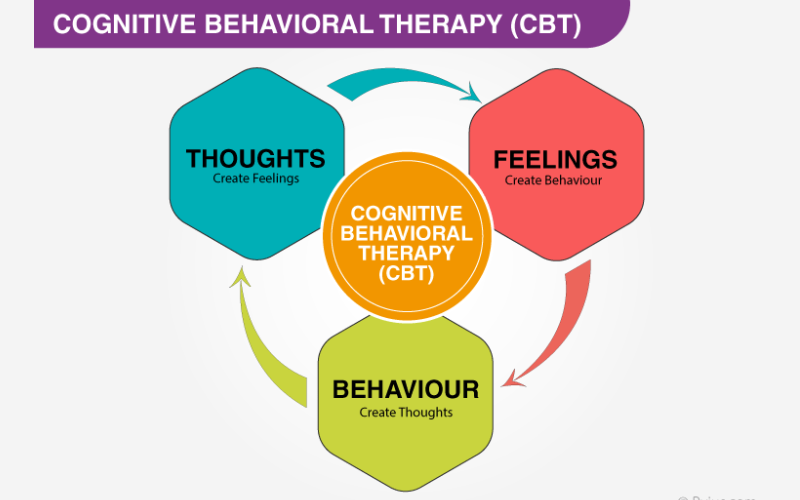
CBT focuses on understanding how thoughts influence feelings and actions. Instead of concentrating only on past experiences, it works toward solving present-day problems and building practical life skills.
The therapy helps individuals:
- Identify negative thinking patterns
- Challenge irrational beliefs
- Develop healthy coping mechanisms
- Improve emotional regulation
- Build problem-solving skills
- Enhance self-confidence
- Manage stress effectively
Furthermore, CBT provides long-term tools that individuals can use independently throughout life.
Who Can Benefit from CBT?
Cognitive Behaviour Therapy is suitable for people of all age groups experiencing emotional or behavioral difficulties.
CBT for Anxiety
Anxiety can affect daily life, relationships, and work performance. CBT helps individuals understand the connection between anxious thoughts and physical symptoms. Through structured techniques, they learn to manage excessive worry, panic attacks, social anxiety, and generalized anxiety disorder.
CBT for anxiety can help with:
- Excessive worrying
- Panic attacks
- Social anxiety
- Health anxiety
- Specific phobias
- Stress management
CBT for Depression
Depression often leads to persistent sadness, hopelessness, and loss of interest in daily activities. CBT helps individuals identify negative thinking patterns that contribute to depression and replace them with healthier perspectives.
Benefits of CBT for depression include:
- Improved mood
- Increased motivation
- Better emotional regulation
- Reduced negative self-talk
- Enhanced self-esteem
As a result, individuals gradually regain confidence and improve their overall quality of life.
CBT for Children
Children may struggle with emotional regulation, anxiety, behavioral problems, or social difficulties. CBT uses age-appropriate activities and interactive techniques to help children understand and manage their emotions effectively.
CBT for children can support:
- Anxiety disorders
- School-related stress
- ADHD
- Obsessive Compulsive Disorder (OCD)
- Low self-confidence
- Behavioral concerns
Parents are often involved in the therapy process to reinforce positive changes at home.
Benefits of CBT
✔ Improved Emotional Health
✔ Better Coping Skills
✔ Positive Thinking Patterns
✔ Enhanced Self-Confidence
✔ Improved Problem-Solving Skills
✔ Better Relationship Management
✔ Reduced Risk of Relapse
✔ Lasting Results
✔ Greater Emotional Resilience
Furthermore, CBT empowers individuals to take an active role in their healing journey and achieve long-term mental well-being.
Our CBT Process
At Resilient Brain, the therapy process follows a structured and personalized approach.
Step 1: Initial Assessment
A detailed evaluation helps us understand the individual’s concerns, symptoms, and therapy goals.
Step 2: Goal Setting
Specific and achievable treatment goals are established.
Step 3: Identifying Negative Thoughts
The therapist helps identify harmful thinking patterns that affect emotions and behaviors.
Step 4: Skill Development
Individuals learn coping strategies, relaxation techniques, and problem-solving skills.
Step 5: Progress Monitoring
Regular reviews help track improvement and modify treatment plans when needed.
As therapy progresses, individuals gain the confidence and skills needed to manage future challenges independently.