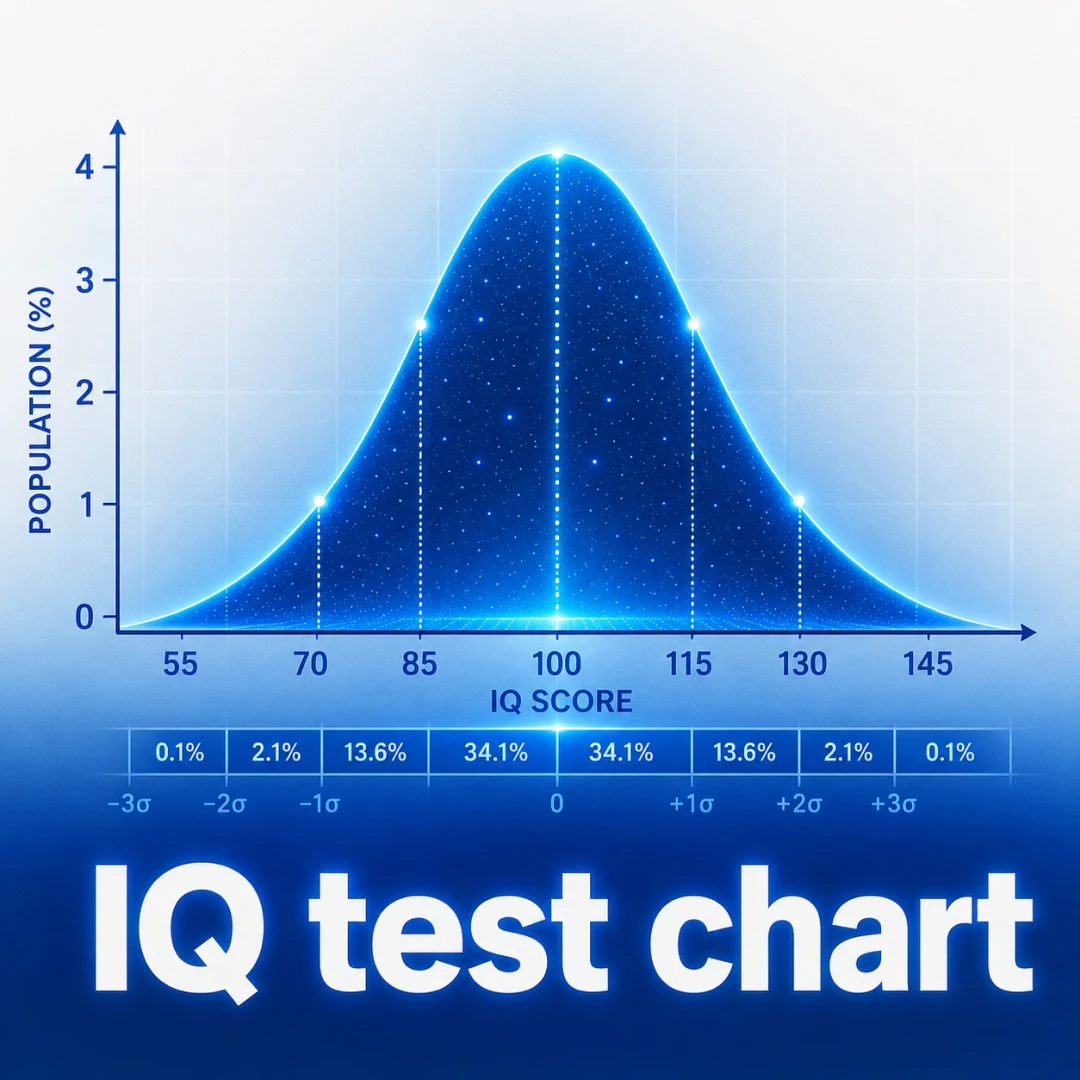
What Is an IQ Test?
Who Needs an IQ Test?
An IQ assessment can help children, students, and adults who want to understand their cognitive strengths or investigate learning concerns. Moreover, a psychologist can recommend an appropriate assessment after discussing the individual’s needs.
Children with learning difficulties: Explore cognitive strengths and possible barriers to learning.
Students with academic challenges: Understand reasoning and problem-solving skills.
Children with developmental concerns: Support a broader developmental or psychological evaluation.
Gifted children: Explore advanced cognitive abilities and educational support needs.
Adults seeking cognitive evaluation: Understand selected cognitive abilities as part of a professional assessment.
Parents seeking educational guidance: Explore suitable learning strategies and additional support.
However, an IQ test alone cannot diagnose every learning difficulty or developmental condition. Therefore, a qualified professional may recommend further evaluation when necessary.
Benefits of Professional IQ Testing in Nagpur
Choosing a professional IQ test in Nagpur can help you gain a clearer understanding of cognitive performance. Moreover, the assessment may provide useful information for educational planning and further psychological evaluation.
Understand cognitive strengths: Learn more about reasoning, memory, and problem-solving.
Identify learning needs: Explore areas where additional educational support may help.
Support personalized learning: Use assessment findings to guide suitable learning approaches.
Guide further evaluation: Help professionals decide whether additional assessments may be appropriate.
Improve self-understanding: Gain a clearer picture of individual cognitive abilities.
As a result, parents and individuals can make more informed decisions about learning and support. However, an IQ score should never define a person’s abilities, worth, or future success.
Our IQ Testing Process
We follow a structured approach to help individuals and families understand the assessment process. Moreover, we explain each stage so you know what to expect.
1. Initial Consultation
First, the psychologist discusses your concerns, background, and reasons for seeking an IQ assessment. In addition, this discussion helps identify the most appropriate next steps.
2. Assessment Selection
Next, the professional considers the individual’s age, language, needs, and assessment goals. Therefore, the psychologist can select a suitable standardized intelligence test.
3. Test Administration
During the session, the individual completes relevant tasks under professional guidance. Moreover, the psychologist aims to create a comfortable environment that encourages focused participation.
4. Scoring and Interpretation
After the assessment, the psychologist reviews the responses and interprets the results according to the test’s guidelines. In addition, the professional considers relevant background information when explaining the findings.
5. Results and Guidance
Finally, the psychologist discusses the results and explains possible next steps. Therefore, individuals and families can explore appropriate educational recommendations or further evaluation when needed.
IQ Test for Children in Nagpur
Children develop cognitive skills at different rates, so parents may sometimes have questions about learning, memory, reasoning, or academic progress. Moreover, a professional IQ assessment can provide useful information when a child experiences persistent learning concerns or needs a clearer understanding of their cognitive abilities.
A qualified psychologist can select an age-appropriate assessment and explain the findings in simple language. In addition, the professional may recommend educational support or further evaluation based on the child’s needs.
However, parents should not rely on an IQ score alone to understand a child’s development. Therefore, a comprehensive evaluation may consider academic performance, developmental history, behaviour, and other relevant factors.
IQ Test for Adults in Nagpur
Adults may seek an IQ assessment to understand specific cognitive abilities or explore concerns about reasoning, memory, or problem-solving. Moreover, a professional evaluation can help clarify these concerns and identify whether further assessment would provide useful information.
The psychologist considers the purpose of testing and selects an appropriate assessment. In addition, the professional explains the results within the context of the individual’s circumstances.
However, an IQ test does not measure every personal or professional strength. Therefore, individuals should view the results as one source of information rather than a complete measure of their potential.
Why Choose a Professional IQ Assessment?
When searching for an IQ test in Nagpur, consider the professional’s qualifications, assessment methods, and approach to explaining results. Moreover, a suitable assessment service should respect confidentiality and help you understand the purpose and limitations of testing.
Look for a centre that offers:
Guidance from an appropriately qualified psychologist.
Age-appropriate and standardized assessment tools.
Clear explanations of the assessment process.
Individualized interpretation and recommendations.
Respectful communication and confidentiality.
Therefore, you can make a more informed decision about your assessment needs. Always confirm the available tests, professional qualifications, fees, and appointment details before booking.
Book Your Our Consultation Today! Take the first step towards better health with expert medical guidance.
Frequently Asked Questions About IQ Tests
1. What is the cost of an IQ test in Nagpur?
2. How long does an IQ test take?
The duration varies according to the assessment tool and the individual’s needs. Therefore, ask the psychologist about the expected appointment time before scheduling your visit.